
Voices from the Field: American Farmers Share Their Stories
For America’s sugarbeet and sugarcane farmers, a successful harvest is the result of work that stretches across the year. Across more than a dozen states, from the flatlands of the Red River Valley to the foothills of Colorado and the fields of cane in Florida, farm families put their generations of experience and know-how into a crop that is vital to our food security.
But high production costs and imports of heavily subsidized over-quota foreign sugar are making it harder for these families to earn a living and ensure sugar continues to be made here at home.
Several farmers have recently shared their stories in their local papers, and it’s incredibly important that we listen.
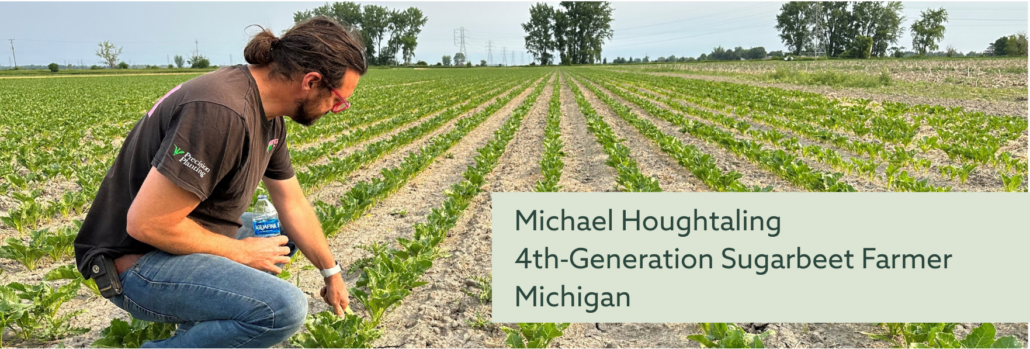 Michigan sugarbeet grower Michael Houghtaling is carrying on a family tradition that stretches back more than 100 years. However, the economics of farming today look drastically different for him than they did just 15 years ago.
As Houghtaling explained in a recent piece in the Midland Daily News, “Fifteen years ago, near the start of my farming career, it cost me about $100 to buy a ton of fertilizer. This year, that same fertilizer was $500 a ton – a 400% increase… I’m paying exponentially more to grow a crop, and the prices we receive for that crop have not kept pace.”

The cost of producing sugar crops has soared while the return has declined, in part because of an uncontrolled flood of over-quota foreign sugar imports putting downward pressure on prices. For many family farmers, that math is becoming impossible to sustain.
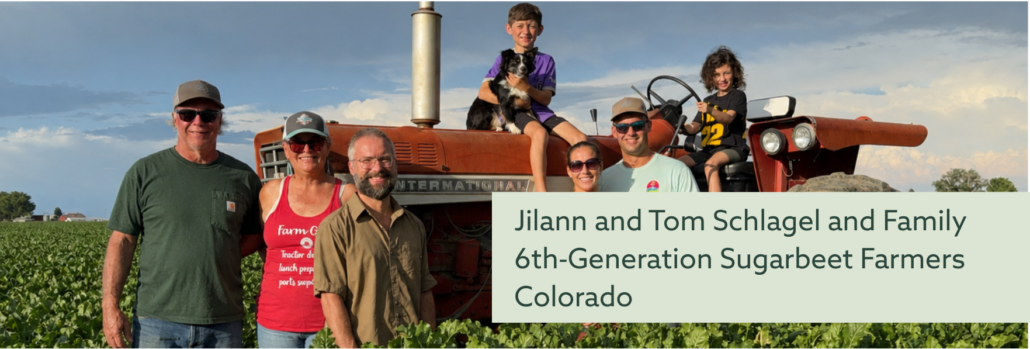
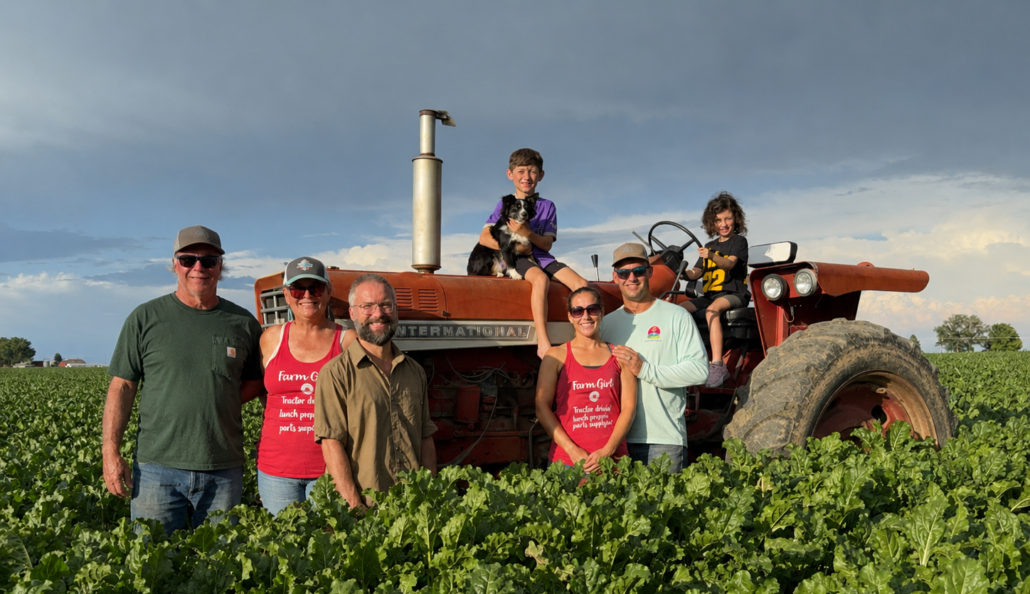
The Schlagel family has been growing sugarbeets in Colorado for six generations. Jilann and Tom farm on the same soil as their ancestors, carrying on a family tradition that is in their blood. But today, sugarbeet farmers in many regions will deal with negative returns as over-quota foreign sugar continues to enter the U.S. market, depressing prices and taking sales away from American producers.
The Schlagels wrote in the Longmont Times-Call, “One of the biggest challenges that needs to be addressed is a growing influx of heavily subsidized foreign sugar… When family farms stop growing sugar beets and sugarcane, Americans become completely dependent on the whims of volatile international markets.”
When subsidized over-quota foreign sugar puts financial strain on American sugar producers and takes away customers from American suppliers, it becomes increasingly difficult for American family farmers to compete, invest in their farms, and carry a multi-generational legacy forward.
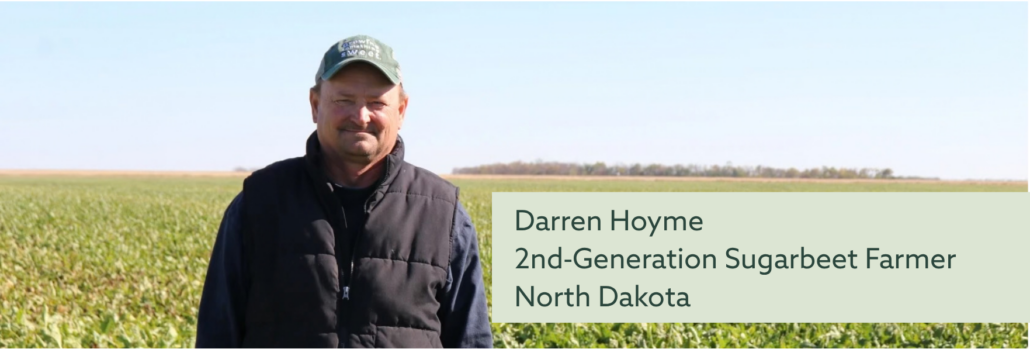
Second-generation grower Darren Hoyme is from the Red River Valley in Kindred, North Dakota. He shared his thoughts on the challenges he is facing in The Forum of Fargo-Moorhead, “Unfortunately, current conditions in North Dakota and across America are driving family farms like mine to the brink of closure… Our farms and factories won’t be able to hold on much longer if the U.S. cannot control the artificially and destructively cheap foreign sugar imports that are undercutting American-made sugar.”
As with any farming operation, there are ups and downs. For growers like Darren, however, the challenges presented by the outdated over-quota sugar tariffs are presenting an immediate threat to their livelihoods.

The U.S. sugar industry supports more than 151,000 jobs and contributes over $23 billion to the national economy, making it a vital part of our nation’s agricultural and economic foundation. Our growers want to keep growing and providing for the nation, but they cannot do it alone. Federal action to modernize over-quota sugar tariffs is urgently needed to level the playing field, strengthen the domestic sugar industry, and give family farms the opportunity to stay viable for generations to come.
